

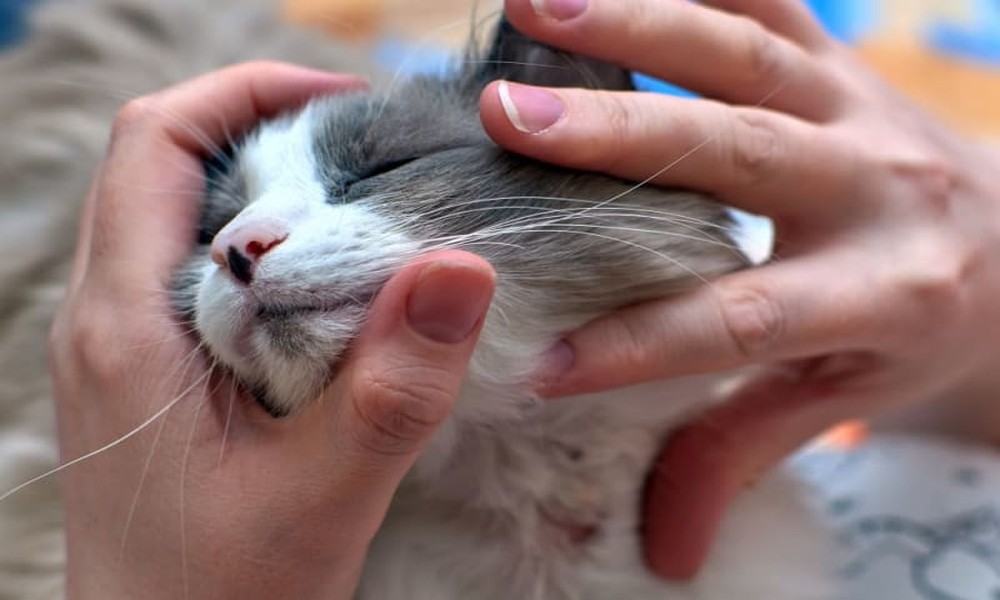
Skin allergies are common issues to cats. You will notice cats doing frequent scratching that causes furs to fall out. Visible redness will appear on the skin that can turn into allergy. The cat’s skin allergies (貓咪皮膚過敏) conditions are treatable with sensitivity-specific cat food.
How to determine an allergy?
The allergies show up through:
- itching
- redness
- hair loss
Pet owners can manage cat skin conditions through understanding the causes.
Common causes of cat skin allergies
Skin allergies in cats can be caused by different sources, namely:
- fleas
- food
- environmental factors
A flea allergy dermatitis is a common cause of the condition . A flea bite triggers intense itching. Food allergies can develop. They can be linked to certain proteins, such as:
- chicken
- fish
Cats can also get allergic to environmental allergens. It includes:
- dust
- pollen
- mold
Identifying the root cause is essential. You can rely on it to come up with a treatment depending on it. A veterinarian recommends tests and diets to confirm the triggers of allergies.
You can determine the targeted treatment by knowing the exact cause. This is to prevent recurring symptoms.
Signs and symptoms of skin allergies
Cats with skin allergies show the following:
- visible redness
- behavioral changes
The common signs include:
- excessive scratching
- licking
- biting of the skin
You will notice the following:
- redness
- scabs
- patches of missing fur
Some cats develop unwanted conditions like:
- ear infections
- swollen skin areas
For example:
A cat constantly scratching its neck and developing bald spots is a reaction to:
- flea bites
- food allergen
The skin allergic condition can be prevented through early detection.
An early recognition of the symptoms help pet owners come up with quicker treatment.
Skin-friendly cat foods
Diet helps manage skin allergies. Skin-friendly car food has the benefits of:
- reducing allergic reactions
- supporting healthy skin
The foods should contain:
- limited ingredients
- novel proteins
- hypoallergenic
Omega-3 and Omega-6 fatty acids are healthy for your cats. These help reduce inflammation and improve coat condition.
Switching to a new diet should be:
- done gradually
- under veterinary guidance
Testing food allergies need to be performed consistently.
Giving a proper diet to your cats supports their skin health. You will see their furs become shiny and soft.
Skin allergies treatment
Cat skin allergy treatment depends on the cause and severity of the condition. Common options include:
- medicated shampoos
- antihistamines
- prescription medications
Strict flea control keeps your cats from flea-related allergies. The environmental allergies require:
- reducing exposure to triggers
- using air purifiers
For example:
A veterinarian prescribes a medical shampoo. It recommends flea prevention treatments to address the root cause.
The treatment works by performing regular follow-ups. It ensures that the treatment is working effectively. Combining different treatments improves the results. It keeps the symptoms in control.
Prevent from future skin allergies
Skin allergy prevention reduces exposure to known triggers. A regular grooming removes the allergens from their coat. Pet owners are unaware of the importance of strict cleanliness inside the house. Keeping the home clean minimizes the following:
- dust
- pollen
Flea prevention must consistently be performed year-round.
You can detect early cat health issues by:
- balanced diet
- routine vet visits
Skin allergy prevention does not eliminate allergies. But it reduces flare-ups.
The risk of recurring skin problems can be lowered with:
FAQs
Can cat food cause skin allergies?
Yes. Some allergies are developed because of specific proteins they eat.
Are skin allergies treatable?
The treatment time varies. You can see improvement in a few weeks.
Can skin allergies be treated?
Skin allergies in cats are manageable. Skin allergies caused by environmental factors are most manageable to treat.
