

The good news is that flea and tick control has never been more effective. With the right combination of pet protection, yard management, and home vigilance, most Atlanta pet owners can keep these parasites well under control. Here’s what you need to know.
Why Atlanta Is Particularly Challenging for Pet Owners
Atlanta’s climate sits in a sweet spot for flea and tick survival that most northern cities simply don’t experience. Fleas thrive between 65 and 85 degrees Fahrenheit with high humidity – a description that fits Atlanta for the better part of eight to nine months a year. The city’s abundant tree canopy, leaf litter, and wooded neighbourhoods create ideal habitat for both pests, and the proximity of wildlife – deer, raccoons, opossums, and feral cats – keeps tick and flea populations consistently supplied with hosts.
The result is that Atlanta pet owners who skip prevention even briefly during what feels like the “off season” often find themselves dealing with an infestation by the time they realise the mistake. Year-round prevention is not an overreaction here – it’s genuinely the right call.
Understanding the Flea Life Cycle
One of the reasons fleas are so difficult to eliminate once they’re established is that the adult fleas you can see on your pet represent only a small fraction of the total infestation. The flea life cycle has four stages – egg, larva, pupa, and adult – and the three stages before adulthood all happen off the pet, in the environment.
Flea eggs fall off your pet as they move through the house, settling into carpet fibres, upholstery, bedding, and floor cracks. They hatch into larvae that feed on organic debris and develop into pupae encased in a sticky cocoon that’s highly resistant to insecticides. Those pupae can remain dormant for months, waiting for the vibration, warmth, and carbon dioxide that signal a host is nearby before emerging as adults.
This is why treating only the pet rarely eliminates a flea infestation. You can kill every adult flea on your dog today and have a fresh wave of newly emerged adults within weeks if the environmental infestation isn’t addressed at the same time.
Protecting Your Pets: Choose the Right Prevention
The foundation of flea and tick control is consistent, year-round prevention on your pets. The products available today are dramatically more effective than the flea collars and shampoos of a generation ago, and choosing the right one for your pet and lifestyle makes a real difference.
Oral flea and tick preventatives – products like NexGard, Bravecto, and Simparica – are now among the most widely used options and for good reason. They’re highly effective, easy to administer, and since they work systemically rather than topically there’s no risk of washing off or transferring to furniture and children. Most kill fleas and ticks within hours of them biting. They require a veterinary prescription, which also means you get professional guidance on the right product for your pet’s size, age, and health status.
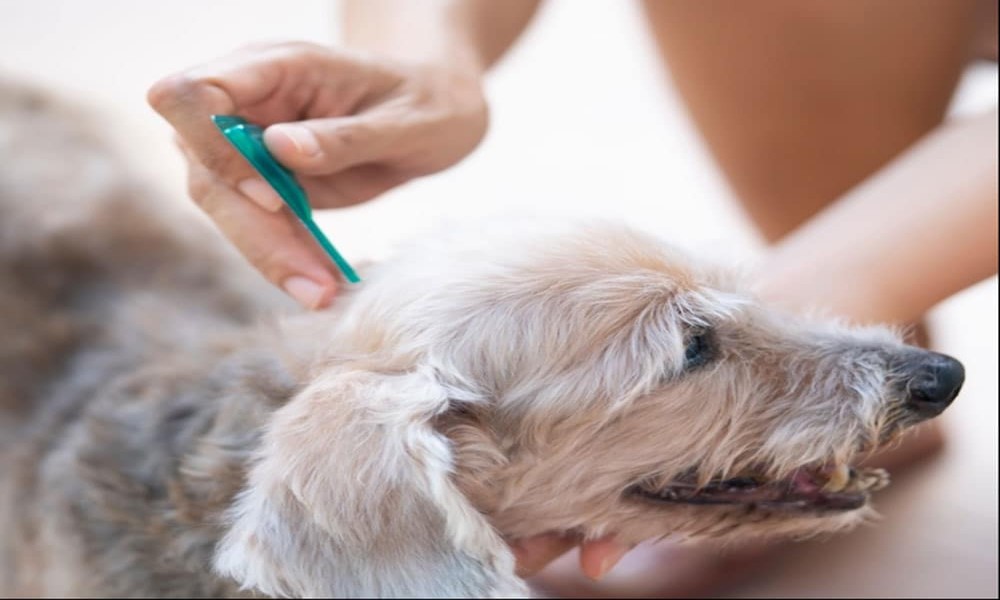
Topical spot-on treatments like Frontline Plus and Advantage II are applied to the skin at the back of the neck and spread through the skin’s oil layer. They’re effective and don’t require a prescription for most formulations. The main practical consideration is keeping pets dry for 24 to 48 hours after application and being aware that treated pets can transfer product to upholstery and other animals until it’s fully absorbed.
Flea collars have improved significantly with products like Seresto, which provides up to eight months of protection through a slow-release mechanism. Quality modern collars are a legitimate option, particularly for cats or dogs whose owners prefer not to administer monthly treatments.
Whatever product you choose, the most important thing is consistency. A gap in coverage – skipping a month, being late on a dose, or stopping prevention in autumn – is often when Atlanta pet owners end up with an infestation.
Treating the Home When Fleas Are Already Present
If your pet has fleas, your home almost certainly does too, and treating only the pet won’t resolve the infestation. A thorough home treatment needs to run alongside pet treatment to break the life cycle.
Vacuum aggressively and frequently. Vacuuming removes eggs, larvae, and pupae from carpet and upholstery and stimulates dormant pupae to emerge as adults – where they’re then vulnerable to insecticide treatment. Vacuum every day during active treatment and dispose of the bag or empty the canister outside immediately after each session.
Wash all bedding in hot water. Your pet’s bedding, your bedding if your pet sleeps with you, and any washable soft furnishings should be washed on a hot cycle and dried on high heat. This kills all life stages.
Treat the home with an insect growth regulator (IGR). Standard insecticides kill adult fleas but don’t address eggs and larvae. An IGR – products containing methoprene or pyriproxyfen – prevents immature fleas from developing into adults, breaking the reproductive cycle. Many home flea sprays combine an adulticide with an IGR for this reason. Apply to all carpeted areas, rugs, upholstery, and under furniture.
For significant infestations, a professional pest control treatment from a company like North Fulton Pest Solutions is often the most effective solution. Professionals have access to products and application equipment that covers the home more thoroughly than DIY sprays, and they can advise on follow-up timing to catch emerging adults from remaining pupae.
Yard Management: Reducing Flea and Tick Pressure Outside
Your yard is where your pets pick up fleas and ticks in the first place, and managing it reduces the pressure on everything downstream.
Keep grass trimmed short. Fleas and ticks prefer shaded, humid environments and avoid hot, dry, sunny areas. A well-maintained lawn with short grass is significantly less hospitable than an overgrown one. Pay particular attention to areas along fence lines and under shrubs where pets like to rest.
Clear leaf litter and debris. Accumulated leaves, wood piles, and organic debris create the cool, moist conditions that fleas and ticks thrive in. Keep the perimeter of your yard and garden beds clear, especially in areas your pets frequent.
Manage wildlife access. Deer, raccoons, opossums, and feral cats are significant sources of tick and flea introduction into suburban yards. Don’t leave food out that attracts wildlife, consider fencing garden areas, and address any conditions that make your yard attractive to wildlife visitors.
Yard treatments. For yards with persistent flea or tick pressure, professional yard treatments or DIY granular/spray insecticide applications targeting shaded areas, fence lines, and garden borders can significantly reduce populations. Products containing bifenthrin or permethrin are effective for yard treatment – follow label instructions carefully and keep pets off treated areas until dry.
Ticks in Atlanta: What to Know
Ticks deserve specific attention because the risks they pose go beyond irritation. Georgia is home to several tick species including the American dog tick, the lone star tick, and the black-legged tick (deer tick), which is the primary carrier of Lyme disease in the eastern US. Rocky Mountain spotted fever, ehrlichiosis, and other tick-borne diseases are also present in Georgia and taken seriously by local veterinarians and physicians alike.
Check your pets for ticks after any time spent in wooded or grassy areas. Run your fingers through the coat thoroughly, paying attention to the ears, between the toes, around the collar, and in any skin folds. Ticks need to be attached for several hours before most pathogens are transmitted, so prompt removal dramatically reduces disease risk.
Use fine-tipped tweezers to grasp the tick as close to the skin as possible and pull upward with steady, even pressure – don’t twist or jerk. Clean the area with rubbing alcohol afterwards. Don’t use petroleum jelly, heat, or other folk remedies that can cause the tick to release more fluid into the wound.
Signs Your Pet Has a Flea Problem
Excessive scratching, particularly around the head, neck, and base of the tail, is the most obvious sign. Part your pet’s fur and look for small dark specks – flea dirt, which is actually flea faeces and turns reddish-brown when wet. You may also see fleas moving rapidly through the coat, though in early infestations they can be surprisingly difficult to spot on dark-coloured pets.
Some pets develop flea allergy dermatitis – an allergic reaction to flea saliva that causes intense itching, hair loss, and skin irritation from even a small number of bites. If your pet seems disproportionately uncomfortable relative to the number of fleas you can find, this is worth a vet visit.
The Bottom Line
Flea and tick control for Atlanta pet owners comes down to one consistent principle – stay ahead of the problem rather than chasing it. Year-round prevention on your pets, a tidy yard, and prompt attention to any signs of infestation are the habits that keep fleas and ticks from becoming a serious headache.
Atlanta’s climate means these pests are always out there looking for an opportunity. The pet owners who fare best are simply the ones who don’t give them one.
