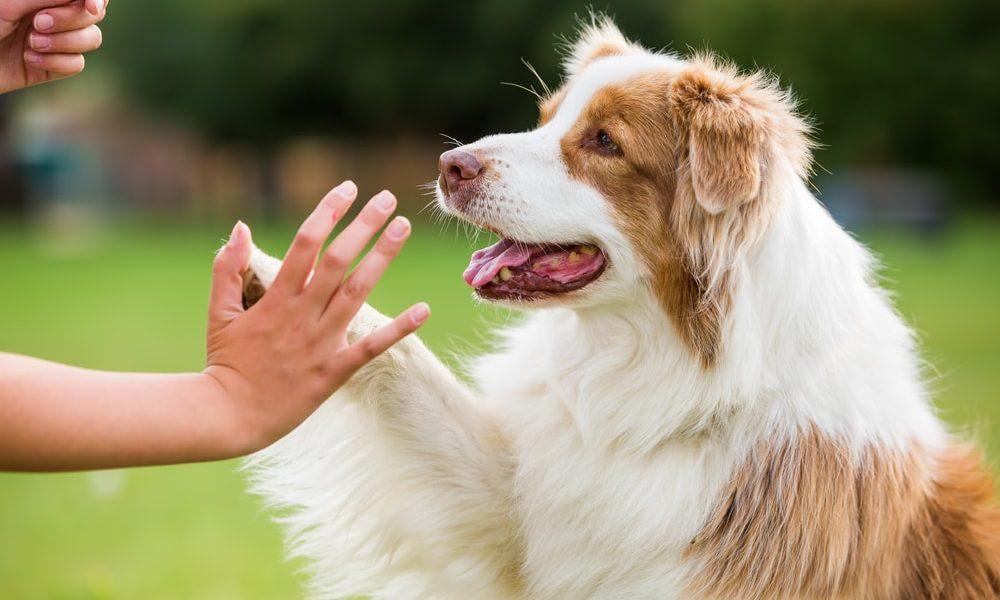

An active dog is a wonderful companion full of energy, curiosity, and a drive to engage with the world. However, this high level of energy, when undirected, can sometimes lead to undesirable behaviors. A well-balanced dog isn't just one that gets plenty of exercise. It’s one that lives a life of predictability, enrichment, and purpose. For active breeds, a structured daily routine is the invisible framework that provides calming support and promotes emotional balance.
Routines reduce uncertainty. When a dog knows when they will eat, play, train, and rest, they spend less energy anticipating or worrying about the next event. This structure helps channel their natural drive into positive activities. It also fosters a stronger partnership and supports their overall well-being.
The Essential Pillars of a Balanced Routine
A successful routine for an active dog must address the three core needs that influence their physical and emotional state: Physical Exercise, Mental Stimulation, and Rest and Recovery. Achieving the right balance across these pillars is key to a happy and calm dog.
1. Tailored Physical Exercise: More Than Just a Walk
While active dogs need plenty of physical activity, the quality of the exercise is often more important than the quantity. A mindless trot around the block may not burn enough energy or satisfy their innate drives, potentially leaving them restless.
Incorporate Purposeful Movement
Instead of just walking, incorporate activities that mimic a dog’s natural work or predatory instincts, such as chasing, fetching, retrieving, and sniffing. Consider integrating some of these activities into their exercise routines:
- Flirt Poles: These are excellent for high-energy dogs. They allow dogs to sprint and chase in a controlled manner.
- Fetch or Frisbee: High-intensity bursts of fetch or frisbee satisfy their prey drive and can be mentally taxing.
- Canine Sports: Consider flyball or dock diving. These activities require focus and teamwork, providing both physical and mental benefits.
Prioritize Morning Movement
Starting the day with a vigorous exercise session can set a positive tone. This helps deplete pent-up energy, making dogs more receptive to training and relaxation later in the day. Ensure that movement is tailored to your dog's capabilities, especially if they are a senior or a large-breed dog that needs extra support for joint health and flexibility.
2. Mental Stimulation: Engaging the Canine Brain
A physically tired dog can still be mentally restless. Mental stimulation, often called enrichment, is crucial for high-drive dogs. Five minutes of focused brain work can be as tiring as thirty minutes of running.
Harness the Power of the Nose
A dog’s nose is their primary sense organ, and using it is immensely satisfying and draining.
- Snuffle mats and puzzle toys require problem-solving and focus to retrieve food or treats.
- "Find It" games require hiding treats or favorite toys around the house or yard and asking your dog to use their nose to locate them.
- Scent work or tracking taps into a dog’s most powerful natural instinct, providing profound emotional satisfaction.
According to research on canine cognition and behavior, providing dogs with choice and control over their environment, often through enrichment activities, contributes significantly to their overall wellness and can mitigate emotional stress. These activities create a sense of competence and purpose.
Focus on Consistent Training
Short, daily training sessions reinforce manners and promote focus. Work on advanced commands, proving known behaviors in new environments, or teaching a fun new trick. This engagement supports emotional balance by requiring mental effort and reinforcing the human-animal bond.
3. Rest and Recovery: The Importance of a Structured Wind-Down
Many active dogs are highly tuned to their environment and struggle to "switch off." A critical part of the routine is teaching them how and when to relax.
Implement a Predictable Quiet Time
Schedule non-negotiable downtime, typically after their major exercise and feeding windows. This could involve settling in on a comfortable bed or engaging with a low-key chew toy while you are quietly present. Mat training teaches a "place" or "settle" command, which conditions your dog to associate a specific location with relaxation, regardless of what's happening around them. Additionally, end-of-day routines provide a calming ritual before bed, signaling that the workday is over and it is time for rest.
Recognize Signs of Over-Arousal
Look for pacing, excessive sniffing, inability to settle, or hyper-vigilance, as these can indicate your dog is struggling to transition to a calm state. Sometimes, a dog that looks highly energetic is actually overtired. Learning to read your dog’s body language is fundamental to providing them with the rest they need.
The Role of Calming Dog Chews in Routine Support
Even the best routine can’t fully eliminate environmental stressors, such as travel, vet visits, grooming sessions, or the occasional hectic gathering. This is where holistic wellness support can play a valuable role in maintaining a dog's emotional balance.
Supplementing for Well-Being
Many pet owners are now looking to supplements, such as CBD dog chews crafted with high-quality hemp extract, to help their dogs maintain a sense of routine and ease. These products are designed to provide support for relaxation and overall well-being, particularly during changes in routine or periods of moderate emotional tension.
A chew backed by science and trusted by veterinarians can provide consistent calming support as a valuable addition to your structured routine. When considering a supplement, look for one that has been rigorously tested and is formulated with pet-friendly, high-quality ingredients.
Responsible Use of Wellness Support
When introducing a new supplement, always start by consulting your veterinarian. Every dog has unique health needs, and your vet can help determine whether the supplement is appropriate. Once approved, keep the supplement consistent as part of your dog’s daily routine so it becomes a predictable and supportive piece of their overall wellness plan.
Consistency Over Intensity: The Long-Term View
The difference between a dog who is merely exhausted and one who is truly balanced is the presence of consistency and routine. Consistency builds trust and predictability, allowing the dog's nervous system to remain regulated. It’s not about giving your dog one huge burst of activity on the weekend. It’s about providing reliable, daily doses of physical and mental engagement.
The Power of Predictability
Predictability allows the dog to relax their vigilance and trust that their needs will be met. This concept, often studied in the context of animal welfare, suggests that an animal's ability to predict and control events in their environment is critical for maintaining healthy emotional responses. A dog with a set morning walk, mid-day training, and evening chew time has a higher quality of life than one whose schedule is chaotic.
Monitoring and Adapting
A routine is not a rigid cage. It is a flexible framework. Regularly evaluate your dog’s behavior. Are they resting soundly? Are they attentive during training? Do they appear playful and mobile? A dog that seems more mobile and playful after consistent support and routine is likely well-balanced. If you notice signs of restlessness or difficulty settling, it may be time to adjust the ratio of physical to mental work, or to seek guidance from your veterinarian or a certified professional dog trainer.
The Balanced Life
A truly active and happy dog thrives in a structured environment. By committing to a daily schedule that deliberately balances tailored exercise, engaging mental work, and dedicated rest, you fulfill your dog’s primal needs for both activity and calm. Incorporating supportive measures can help smooth the edges of stressful days, ensuring your energetic companion enjoys a life of sustained emotional balance and well-being.