

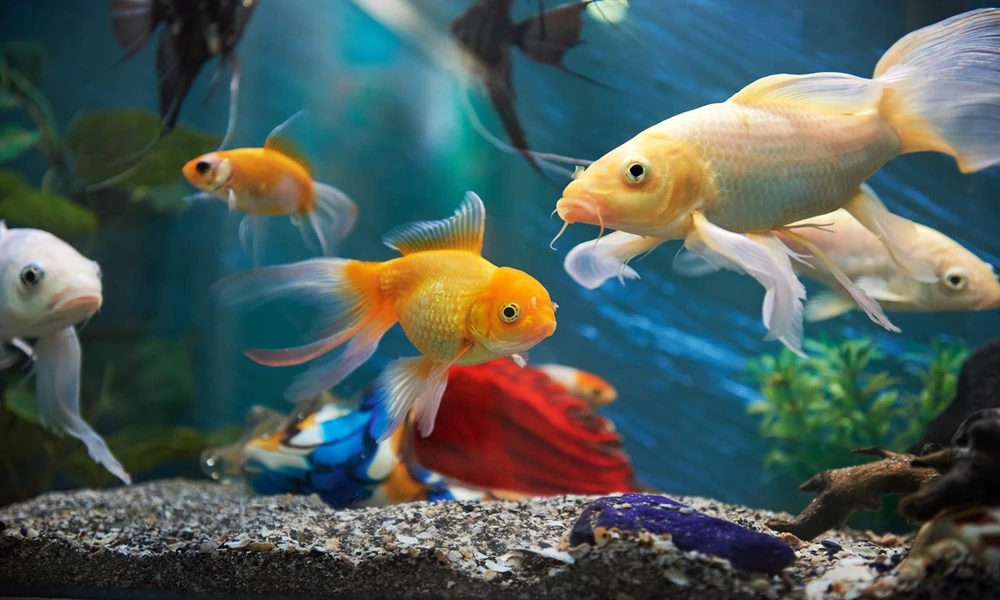
If you want brighter colors, more energy, and fewer trips to the vet or fish store for sick fish problems, it starts with what’s in the bowl or tank. Picking the best tropical fish food isn’t complicated once you know what to look for, and a few small habits make a bigger difference than any fancy label.
What Do Tropical Fish Really Need From Their Food?
Fish need more than just something to nibble on. A good diet gives them protein for muscle and growth, fat for energy, and vitamins that keep their immune system working. Skipping on any of these shows up fast with dull colors, slow growth, or fish that seem tired and hide more than usual.
Most tropical fish do best on food that covers these basics:
- Protein from fish meal, shrimp, or plant sources.
- Fat for energy and a healthy shine on the scales.
- Fiber to keep digestion moving smoothly.
- Color enhancers like spirulina or krill for brighter, richer color.
- Vitamins and minerals for immunity and long-term health.
What Makes the Best Tropical Fish Food?
Not all fish food is created equal, even if two bags look almost the same on the shelf. The best tropical fish food usually lists a real protein source like whole fish, shrimp, or krill near the top of the ingredient list, not just “fish meal by-product” buried further down.
| What to Check | Why It Matters |
| First ingredient | Should be a named protein, not a filler like wheat or corn. |
| Color enhancers | Spirulina, krill, or shrimp meal help bring out natural color. |
| Food size | Should match your fish’s mouth size to avoid waste. |
| Sinking or floating | Match to how your species naturally feeds. |
| Expiration date | Fish food loses nutrients fast once opened. |
If you’re feeding a mixed tank, the best tropical fish food is usually a high-quality flake or pellet blend that covers most community species, with the odd specialty food added for pickier fish.
Saltwater Fish Food: How Is It Different?
Saltwater fish food usually has to work a little harder than freshwater food. Marine fish tend to need more protein and a richer mix of nutrients since their natural diet in the wild leans heavily on other sea creatures rather than plants. Saltwater fish food is also more likely to include marine algae or seaweed, since many saltwater species graze on algae throughout the day.
Flakes, Pellets, or Frozen – What Should You Feed?
This is one of the most common beginner questions, and honestly, there’s no single right answer as it depends on your fish and your routine.
- Flakes are easy, affordable, and great for surface feeders, but they can cloud the water faster if you overfeed.
- Pellets hold their shape longer, waste less, and work well for mid-and bottom-feeding fish.
- Frozen or freeze-dried food (like bloodworms or brine shrimp) adds variety and is closer to a natural diet.
- Gel food is useful for fish with picky eating habits or specific dietary needs.
A simple rule that works for most beginners: Use pellets or flakes as your everyday food, and add frozen food once or twice a week as a treat.
How Often Should You Feed Your Fish?
Overfeeding is the number one mistake new fish owners make, and it causes more health problems than underfeeding ever does. Leftover food breaks down in the water, which spikes ammonia and stresses your fish out even if you can’t see it happening.
A few simple habits help:
- Feed small amounts once or twice a day.
- Only give what your fish can finish in about 2 minutes.
- Remove any uneaten food instead of leaving it to sit.
- Skip feeding one day a week for adult fish; it won’t hurt them.
- Watch your fish’s belly shape, not just the clock, to judge portions.
What Makes the Best Pet Fish for Beginners?
If you’re just starting out, the best pet fish are usually hardy, easygoing eaters that aren’t fussy about food type. Species like guppies, mollies, and platies tend to do well on basic flake food and forgive the occasional missed feeding.
Betta fish are another popular choice among the best pet fish for beginners, though they do better with pellets made specifically for bettas rather than generic community flakes.
Signs Your Fish Food Is Working
Good nutrition shows up in ways you can actually see within a few weeks:
- Brighter, richer color, especially in red, orange, and blue tones.
- Steady, active swimming instead of hiding for long stretches.
- Consistent growth over time, not sudden spurts or stalls.
- Clear eyes and full, rounded (not sunken) bellies.
Conclusion
Feeding fish well doesn’t need to be complicated. Pick a solid everyday food (tropical fish food for freshwater tanks or a good saltwater fish food if you’re keeping marine species), feed small amounts consistently, and mix in some variety now and then. Pay attention to how your fish look and act, and you’ll know pretty quickly if their diet is working.
FAQs
Q. What Is The Best Food For Tropical Fish?
A high-quality flake or pellet with a real protein source listed first, like whole fish or shrimp, works well for most tropical species. Look for added color enhancers like spirulina, and match the food size to your fish’s mouth for easier eating.
Q. What Is The Best High-Quality Fish Food For My Fish?
The best food matches your specific fish’s needs; for example, bottom feeders do better with sinking pellets, while surface fish prefer flakes. Check that a real protein source comes first on the label, and avoid food that’s been sitting open for months, since nutrients fade over time.
Q. What Is The Best Fish Food For An Aquarium?
For most home aquariums, a good everyday flake or pellet covers the basics, with frozen or freeze-dried food added once or twice a week for variety. Community tanks with mixed species usually do best on a general blend rather than one specialty food.
Q. What Can I Feed My Tropical Fish If I Run Out Of Fish Food?
In a pinch, small amounts of boiled, unsalted vegetables like peas or zucchini, or plain cooked fish or shrimp, can hold fish over for a day or two. This isn’t a long-term fix, but it beats skipping feedings until you can restock.
Q. Is It Better To Feed Fish Flakes Or Pellets?
Neither is universally better, as it depends on your fish. Flakes suit surface feeders and are easy to portion, while pellets waste less and work better for mid or bottom feeders. Many aquarium owners simply use both, depending on which fish they’re feeding.
