

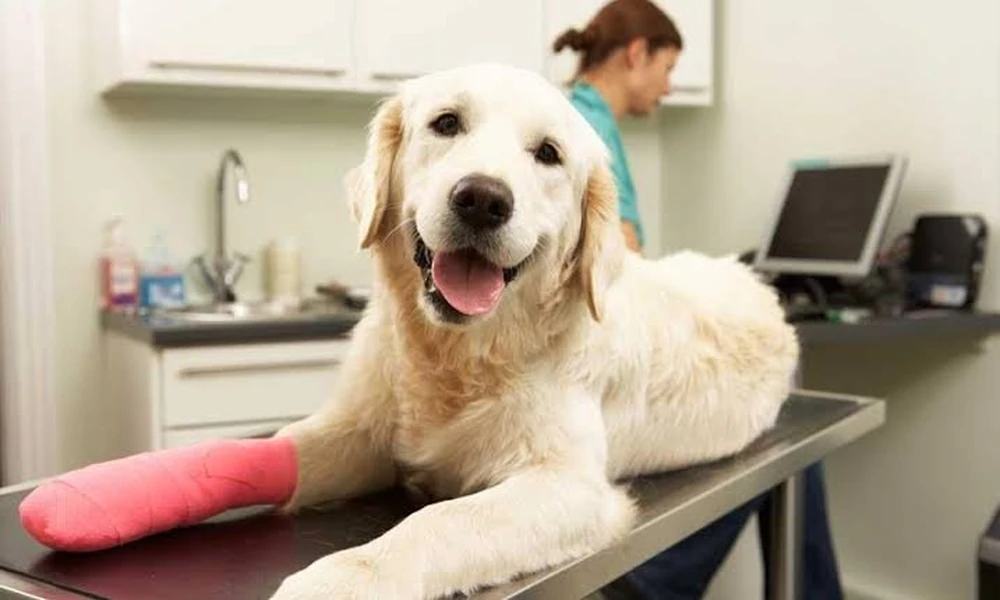
Seeing a pet limp, struggle to stand, or avoid a favourite activity can be worrying. Some mobility problems improve with rest, but others may indicate an injury or joint condition that needs professional assessment.
Knowing the signs to look for can help you act promptly, protect your pet’s comfort, and give them the best chance of returning to normal movement.
Common Signs of Orthopaedic Problems
Orthopaedic conditions affect the bones, joints, muscles, ligaments, and tendons. Symptoms can appear suddenly after an accident or develop gradually over time.
Contact your regular vet if you notice:
- Limping, stiffness, or an uneven gait
- Difficulty getting up, climbing stairs, or jumping
- Reluctance to walk, run, or play
- Swelling around a leg or joint
- Holding up a paw or avoiding weight on a limb
- Crying, flinching, or becoming protective when touched
- Changes in posture or reduced activity
- Lameness that returns after exercise
Cats can be more subtle. They may stop jumping onto furniture, hide more often, become less active, or show discomfort when being picked up.
Understand When a Problem May Be Urgent
Not every limp is an emergency, but sudden or severe symptoms should not be ignored.
Seek Prompt Veterinary Advice If Your Pet Cannot Bear Weight
A pet that refuses to place any weight on a leg may have a significant injury. Fractures, dislocations, ligament damage, or severe soft-tissue injuries all require veterinary attention.
Keep your pet calm, restrict movement, and avoid trying to examine or straighten the affected limb yourself. Moving an injured animal unnecessarily can worsen pain or damage.
Watch for Changes After an Accident
A fall, road traffic accident, collision with another dog, or awkward landing can cause injuries that are not immediately obvious. Even if your pet seems settled afterwards, monitor them closely for limping, swelling, pain, or behavioural changes.
Early assessment can help identify problems before they become more difficult to manage.
Why Ongoing Lameness Needs Investigation
Occasional stiffness may seem minor, especially in older pets, but persistent lameness should always be discussed with a vet. Pain can affect more than mobility; it may also change your pet’s mood, sleep, appetite, and willingness to interact.
Injuries Can Affect More Than One Structure
A dog that starts limping after an energetic walk may have strained a muscle, but it could also have injured a ligament or joint. Similarly, a pet that appears to have a sore paw may be compensating for discomfort higher up the leg.
A thorough examination helps identify the true source of the problem rather than simply treating the visible symptom.
Early Support May Protect Long-Term Mobility
Some orthopaedic conditions become more challenging when they are left untreated. Prompt care may reduce discomfort, limit further damage, and help your vet recommend the most appropriate next steps, whether that involves rest, medication, rehabilitation, imaging, or surgery.
For pets needing specialist assessment of musculoskeletal injury or disease, Southpaw Veterinary Orthopaedic Centre provides referral care for dogs and cats, with clear communication around treatment options and recovery.
What Happens During an Orthopaedic Assessment?
Your vet will usually begin by asking about your pet’s symptoms, activity level, medical history, and any recent injury. They may observe your pet walking and gently examine the affected area.
Depending on the findings, further investigations may be recommended, such as:
- X-rays to assess bones and joints
- Ultrasound for certain soft-tissue concerns
- Advanced imaging where appropriate
- Blood tests before anaesthesia or surgery
- A referral to an orthopaedic specialist
Referral does not always mean an operation is required. It means your pet can receive more focused assessment and advice for their individual condition.
Help Your Pet Before Their Appointment
If your pet is lame or appears painful, reduce activity until you have spoken with a veterinary professional. Avoid long walks, jumping, rough play, and stairs where possible.
Use a lead for toilet breaks and provide a comfortable, non-slip area for rest. If you need to lift a small pet, support both the chest and hindquarters rather than lifting under the front legs alone.
Do not give human painkillers. Many common medicines can be dangerous or toxic to dogs and cats. Only use medication prescribed or approved by your vet.
FAQ
Can a dog limp for a day and then be fine?
A mild strain may improve quickly, but recurring or unexplained limping still deserves veterinary advice. Pets may hide pain well, particularly when excited or distracted.
Should I rest my pet if they are limping?
Yes, limit exercise and avoid activities that could worsen the injury. Contact your vet for guidance, especially if the limp is severe, sudden, or does not improve.
Do older pets naturally become stiff?
Ageing can contribute to joint changes, but stiffness should not simply be accepted as normal. Veterinary support can help identify the cause and improve comfort.
Will an orthopaedic referral always lead to surgery?
No. A specialist can assess the condition and discuss all suitable options. Treatment may include conservative management, rehabilitation, medication, or surgery depending on the diagnosis.
Conclusion
Mobility changes are often your pet’s way of showing that something is wrong. By recognising lameness, stiffness, pain, and changes in activity early, you can seek advice before a problem becomes more serious.
A timely veterinary assessment gives your dog or cat the best opportunity for effective treatment, greater comfort, and a happier, more active life.
