As a responsible pet parent, maintaining your dog's overall hygiene is crucial for their health and well-being. That's why we've put together this comprehensive dog hygiene checklist - covering everything from paws to coat - to ensure you've got all the bases covered. By implementing these essential practices, you'll be well on your way to keeping your pup fresh, clean, and feeling their absolute best.
Paw Care: The Foundation of Canine Hygiene
Let's start from the ground up - literally. Your dog's paws are the foundation of their hygiene and overall health, so it's important to give them the attention they deserve. Start by regularly inspecting their paws for any signs of injury, irritation, or debris buildup between the toes. Gently wipe their paws with a damp cloth after walks to remove dirt, salt, or chemicals.
During the warmer months, be mindful of hot surfaces that could burn delicate paw pads. Consider investing in paw wax or balm to create a protective barrier and keep those precious paws in tip-top shape. And don't forget to trim your dog's nails on a consistent schedule to prevent overgrowth and discomfort.
Dental Delights: Prioritizing Canine Oral Hygiene via Dog Dental Care Products
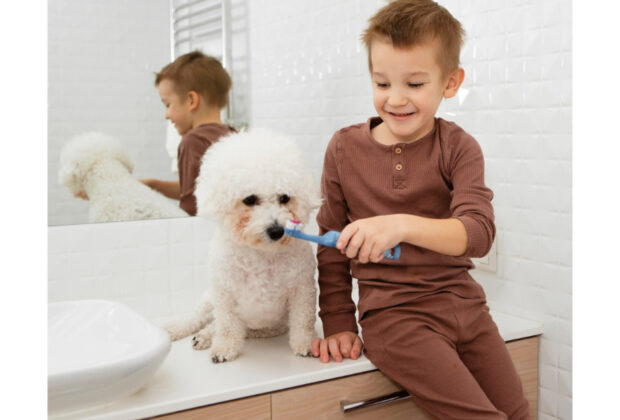
Moving up the body, let's talk about your dog's dental health. Neglecting their oral hygiene can lead to a host of problems, from bad breath to gum disease and even tooth loss. Incorporate daily tooth brushing using dog-safe toothpaste and a soft-bristled brush.
If your pup isn't a fan of brushing, try dental chews or treats infused with ingredients like chlorhexidine or enzymes that help reduce plaque and tartar buildup. You can also explore dog dental care products like water additives or dental wipes to keep their mouth fresh and clean between brushings.
Bathing Basics: Maintaining a Healthy, Shiny Coat
When it comes to bathing your dog, frequency can vary depending on their breed, activity level, and the condition of their coat. As a general guideline, most dogs can be bathed every 4-6 weeks, or as needed to address any odor or dirt buildup.
Use a high-quality, pH-balanced dog shampoo and be sure to thoroughly rinse away all residue. Avoid getting water in their ears, and be gentle when cleaning the sensitive areas around their face and eyes. After the bath, carefully towel-dry your pup and brush their coat to remove any loose fur and distribute natural oils.
Ear Essentials: Preventing Infections and Irritation
Proper ear care is often overlooked, but it's a crucial aspect of your dog's overall hygiene. Regularly check their ears for any redness, swelling, or excessive wax buildup, and clean them using a veterinarian-recommended ear cleaner and cotton balls or pads.
Avoid inserting anything too deep into their ear canal, as this can push debris further in and potentially cause damage. If you notice any signs of infection, such as a foul odor or discharge, it's best to consult your veterinarian for proper treatment.
Skin and Coat: Maintaining a Healthy, Radiant Appearance
The condition of your dog's skin and coat can be a reflection of their overall health and hygiene. Brush their fur regularly to distribute natural oils, remove loose hair, and stimulate the skin. Pay special attention to areas prone to matting, like behind the ears and under the legs.
If you notice any skin irritation, dryness, or excessive shedding, it could be a sign of an underlying issue that requires veterinary attention. Your vet may recommend specialized shampoos, supplements, or other treatments to address the problem.