

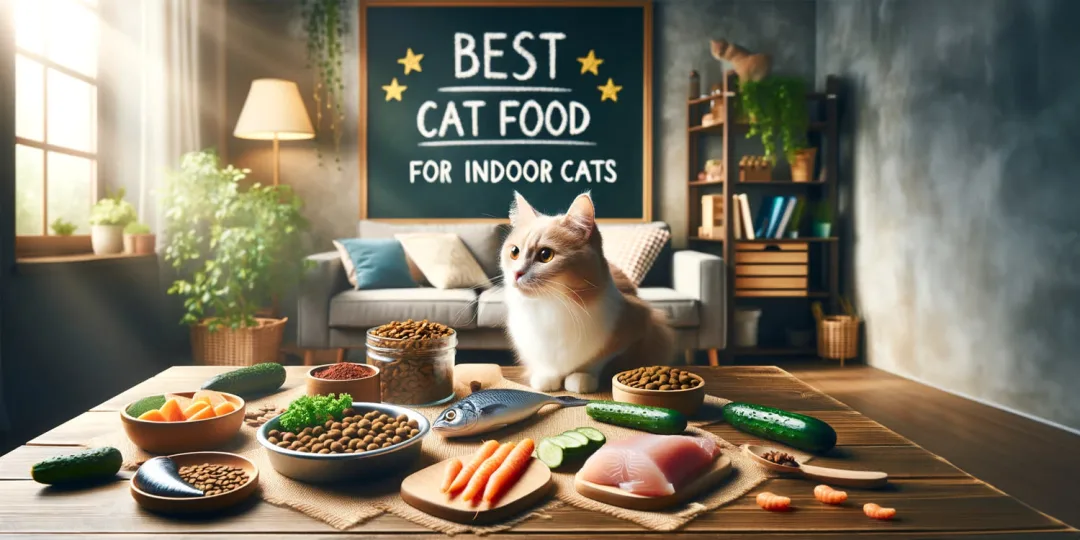
As cat owners, you want to provide the very best care and nutrition for your furry companions. For indoor cats especially, choosing the right food goes a long way in keeping them healthy and happy while they relax and play inside.
Protein sources
As obligate carnivores, cats require a high protein from animal-based sources. When checking the ingredients on cat food labels, quality sources like chicken, turkey, salmon, duck or tuna should feature prominently. In indoor dry foods, a crude protein content of around 40% is ideal. Cats also require higher levels of certain essential amino acids like taurine, so choosing foods with added taurine is recommended. Vegetarian or vegan cat foods do not provide complete protein profiles.
Grain content
Look for low-carb cat foods that are free from fillers, grains, and artificial additives. Grain ingredients like corn, wheat, or soy are difficult for cats to digest. Instead, seek out foods with more nutritional carbohydrates like sweet potatoes, peas, or lentils. Higher animal protein with lower carbs promotes better digestive health and allows cats to maintain a healthy weight, which is important since indoor cats tend to be less active.
Fatty acids
High omega-3 and omega-6 fatty acids help keep a cat’s skin and coat supple and shiny. Omega fatty acids also reduce inflammation and provide other benefits. Look for added nutrients like DHA from fish oil which support brain and eye development along with EPA and glucosamine for joint health. As obligate carnivores, cats cannot directly synthesize some fatty acids like linoleic acid from plant sources, making animal fats more bioavailable.
Vitamins and minerals
A high meat diet still be deficient in certain vitamins and minerals, so choose a best cat food for indoor cats with supplemented nutrients. Important additions like vitamin A for vision, B vitamins for metabolism, vitamin D for bone health, and vitamin E for immune health should be included. Trace minerals like iron, calcium, zinc, copper, and iodine in the right proportions are also vital. Chelated forms may offer increased absorption.
Moisture content
For all cats , but especially indoor cats prone to urinary and kidney issues, maintaining hydration is crucial. Dry kibble only contains around 10% moisture while canned foods offer 75% moisture or more. Feeding a mix of wet and dry food is ideal to increase moisture intake. Even better, try supplementing with low-sodium broths or cat water fountains. Increased water intake promotes urinary tract health and proper kidney function.
Digestibility
Seeking out highly digestible cat foods with simpler, high-quality ingredients ensures proper nutrient absorption while reducing stool volume and odors in litter boxes. Digestibility requirements differ between kittens, adult cats, and seniors too. Some cat foods are made with probiotics, prebiotics, and enzymes for improved digestion and less stomach upset. Limited ingredient formulas with novel protein sources also aid sensitive digestive systems.
Life stage nutrients
Indoor cats live long lives so feeding age-appropriate foods during each life stage is key. Look for kitten foods with extra calories, proteins, and vitamins to support playful growth and development. Adults require balance while mature cats benefit from fewer calories, antioxidants for cell health, and easily absorbable nutrients as digestion slows. Therapeutic senior formulas address declining organ function, muscle loss, and weight management.
