

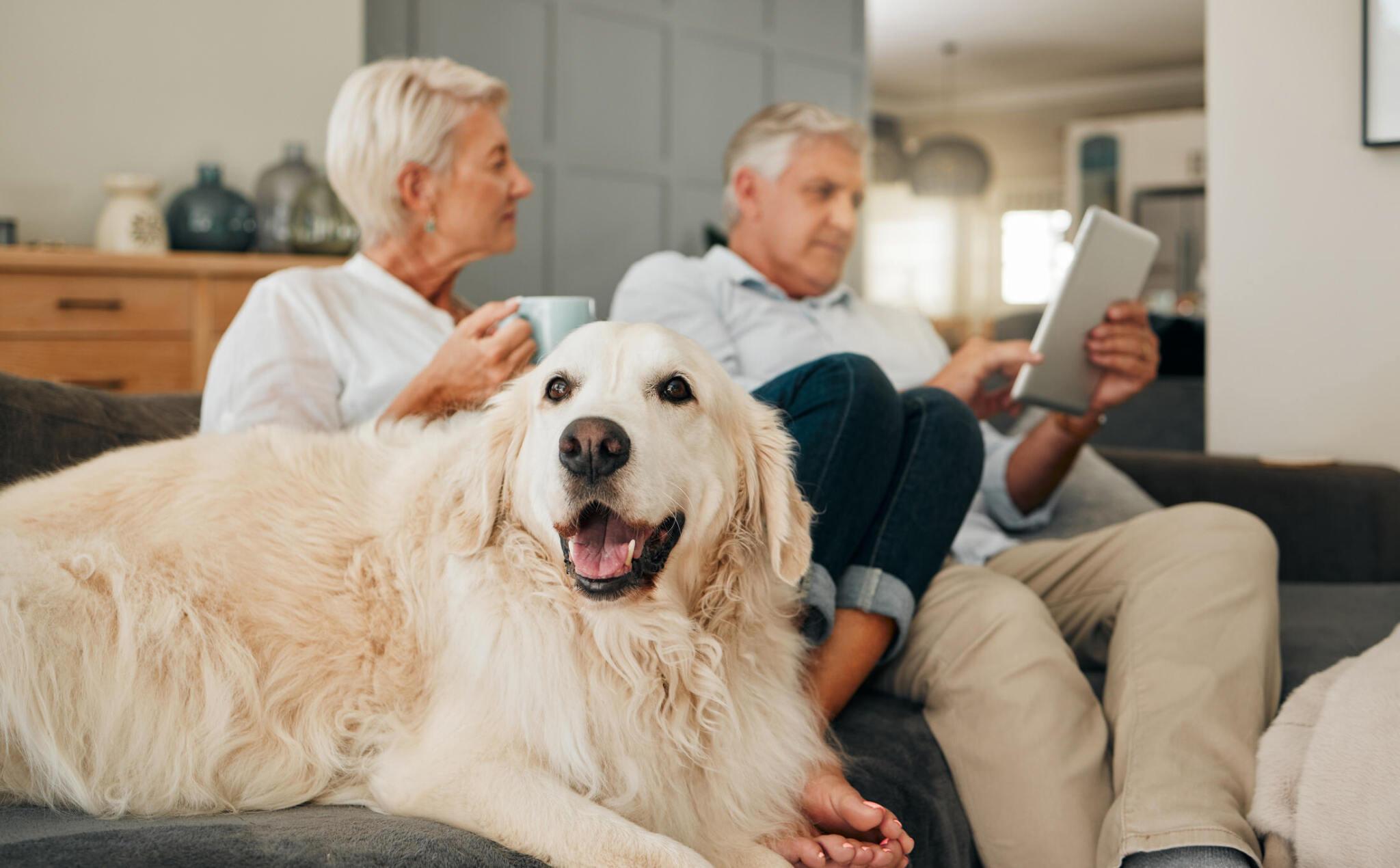
Canines are your best friend, but as they age, their needs evolve. They require a considerate and personalized caring approach. It is vital to provide the right environment, nutrition, and healthcare to ensure the comfort and well-being of your senior canine. The needs of your dogs will not be the same in their younger days and in their later years. Let’s explore key aspects of caring for aging mongrels.
Create a Comfortable Living Space
As canines age, they possibly experience joint pain, arthritis, or other mobility issues. So, you need to create a comfortable and safe living space.
- Consider providing soft, supportive bedding in a warm and draft-free area.
- Elevate their food and water bowls to minimize strain on their neck and back.
- Even ensure that the living environment is free from tripping hazards, such as slippery floors or clutter.
Adjust their Diet
The nutritional needs of older canines differ from those of their younger counterparts. As they grow old, there is a decrease in their activity levels and metabolism, so there is a need to adjust their diets.
Consult your vet to determine the appropriate diet for your aging canine. Factors such as breed, size, and existing health conditions will be taken into consideration to create a diet plan for your senior canine.
- Senior canines will need a diet low in calories to prevent weight gain. Remember, weight gain can aggravate joint issues.
- Specialized senior dog foods often contain supplements such as glucosamine and chondroitin to support joint health.
- Maintain proper hydration, as aging canines are more prone to dehydration.
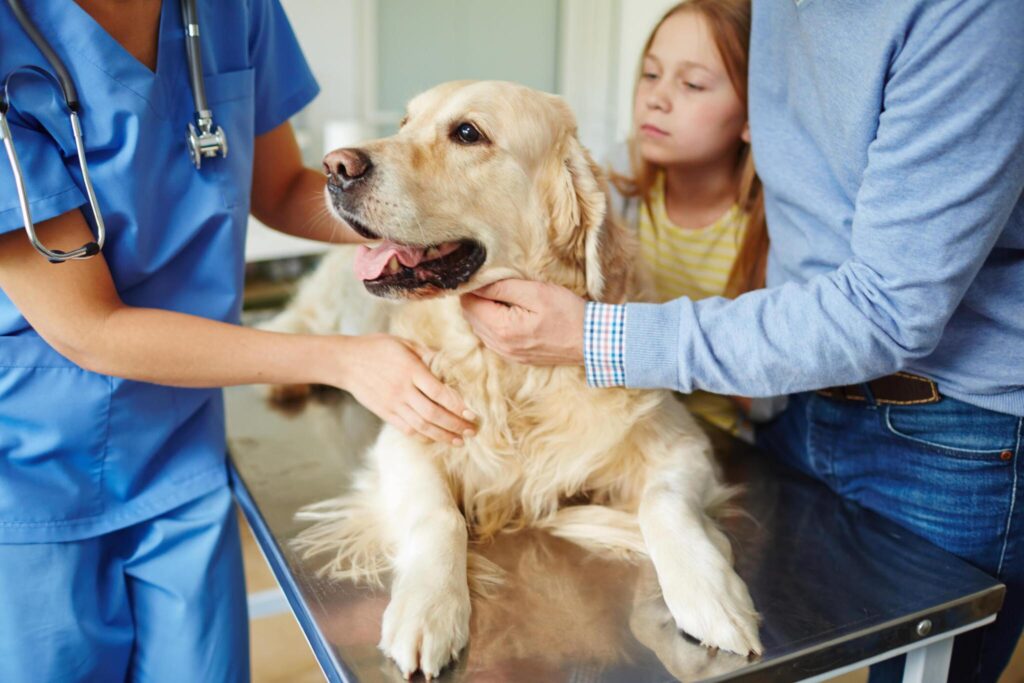
Regular Veterinary Check-ups
As canines age regular veterinary visits for check-ups are a MUST.
These appointments allow vets to –
- Monitor the overall health of the dog
- Catch potential issues early
- Adjust care plans accordingly
Senior canines may require more frequent check-ups to address age-related fears such as –
- Dental health concerns
- Vision vulnerabilities
- Joint problems.
Dental Care
Oral health is often overlooked, but it becomes increasingly important as canines age. Regular teeth brushing, dental chews, and professional dental cleanings are crucial to maintain good oral hygiene.
If ignored, dental issues can lead to –
- Pain
- Difficulty eating
- Other health problems
Exercise and Mental Stimulation
Even though older canines don’t have the same energy levels as their younger counterparts, regular exercise remains crucial for maintaining joint flexibility and a healthy weight.
- Tailor exercise routine to suit the dog’s physical condition, choose gentle activities such as short walks and light play.
- For mental stimulation, consider puzzle toys or interactive games to keep an aging mind engaged.
Emotional Support
Older canines may also reveal changes in their behavior or exhibit signs of anxiety or cognitive decline. Provide emotional support like –
- Maintain a consistent routine
- Offer familiar comforts
- Spend quality time with them
A warm and supportive environment can significantly influence their emotional well-being.
Conclusion
Caring for an older canine friend requires a holistic approach aimed at resolving their changing physical, nutritional, and emotional needs. By understanding and responding to the unique challenges of canine aging, you can enhance the life quality of your faithful friends in their golden years.
