

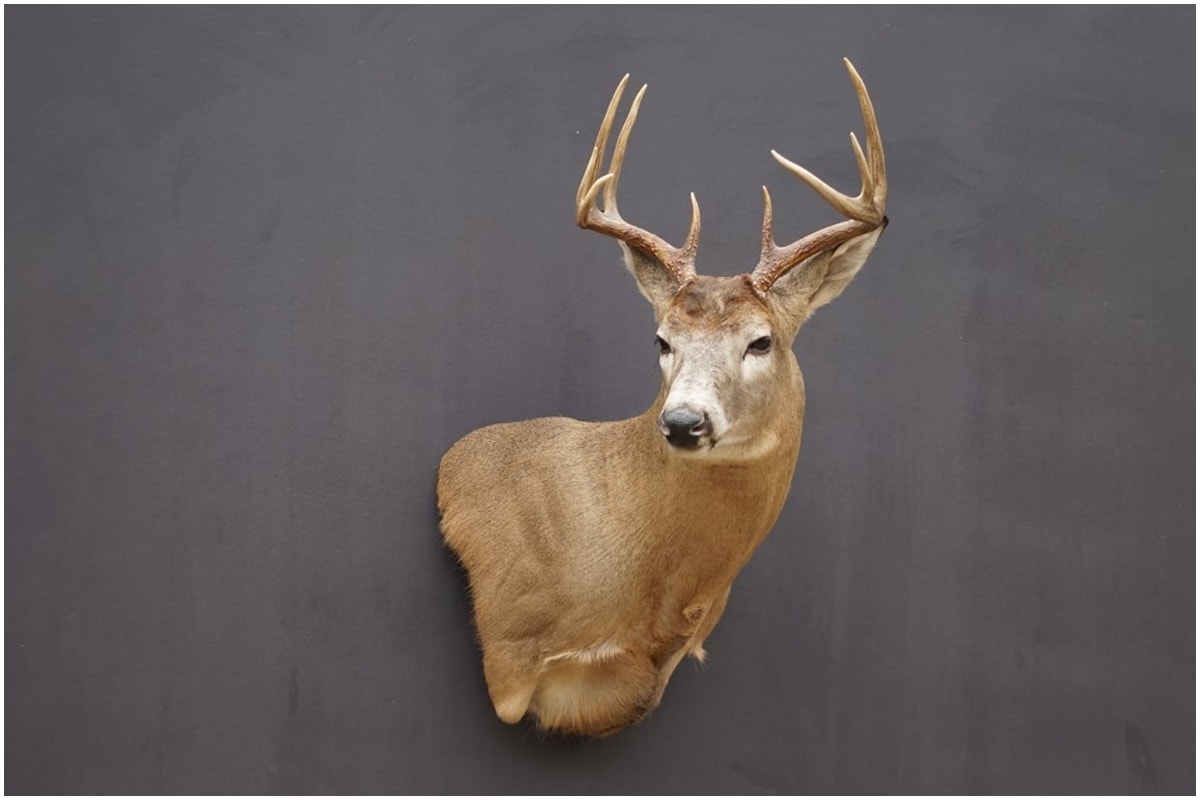
So, you have hunted, harvested and it’s time to mount the animal head on your wall. Animal wall art is an excellent decor piece, but it requires maintenance. You need to keep your taxidermy in top condition by dusting, cleaning, conditioning, and polishing it from time to time. Insect prevention is also necessary. Since you don’t want all the work you have done of hunting and mounting your wild animals, check out these taxidermy care tips.
Dismount
If you have already mounted your animal mounts, remove them carefully and handle them with care. Take care not to drop them as they can break. Ideally, you should dismount your wild animal mounts for cleaning and conditioning at least once a year.
Dust
Start by dusting your animal mounts using a clean paintbrush, a damp cloth, or a vacuum with an upholstery attachment. Spider webs tend to form on antlers, and the top of the head is more likely to hide dust you didn’t know existed. Note that animal hair is notorious for collecting dust, and it has built layers over time. Dust gently to remove visible dust and ensure you work towards the grain to avoid damaging the laying of the hair.
Clean and condition
The next thing is to clean and condition your animal mount. Use a mild condition made of alcohol and oil. You can put it in a sprayer, spray it over the mount and brush gently using a soft paintbrush. That works miracles, especially if the mount lacks sheen. You can also use equine polish to bring back the lush, then use condition to retain the luster for the long term.
Apply glass cleaner on the eyes and nose to add some sheen that restores the wet appearance on the eyes and nose. If your antler appears too dull and fry, in that case, an automotive will work great.
Insect protection
Demisted moths and beetles like to feed on skin and hair material, so your taxidermy is not safe until you treat it. It is not the taxidermy bugs that cause the damage but the larvae from the eggs they lay on your taxidermy. Some insects will burrow into the mount and cause holes, and the larvae will eat the hair off, causing bald patches.
When cleaning your taxidermy, lookout for signs of insects in the hair, mouth, nose, and eyes. If you notice hair loss and sawdust-like dirt around your taxidermy, there is a likelihood of active bugs, and you need to treat them. If caught too late, they can damage your animal mount.
Heat and moisture
Heat and moisture can affect your taxidermy and cause it to age more. So put some serious thought into where you hang them. Ensure they are not exposed to extreme temperature fluctuations or very cold temperatures in the winter. Hanging your antler above the fireplace is common, but the heat can cause damage. Very cold temperatures can cause mold growth. Therefore mount your taxidermy in a controlled environment to prevent such damage.
Final words
Taking good care of your taxidermy maintains it in good shape. Ensure you do it a couple of times a year.
