

Most dog owners have experienced it: the house is quiet, your dog is curled up on the sofa, and then a series of rumbles, squeaks and gurgles starts up from somewhere around its middle. Sometimes the dog looks as puzzled as you do. Sometimes it is followed by a hasty request to go outside. Gut noises are one of the most common things owners ask vets about, partly because they are so audible and partly because it is hard to know whether they are normal digestion or the start of something more troublesome.
The medical term for these sounds is borborygmi, and they are produced by gas and fluid moving through the intestines as the muscular walls contract. A certain amount of noise is entirely normal and simply means the digestive system is doing its job. Louder, more frequent or persistent rumbling, especially when paired with a reluctance to eat, grass-eating, lip-licking or loose stools, suggests the gut is working harder than it should be, and that is worth understanding.
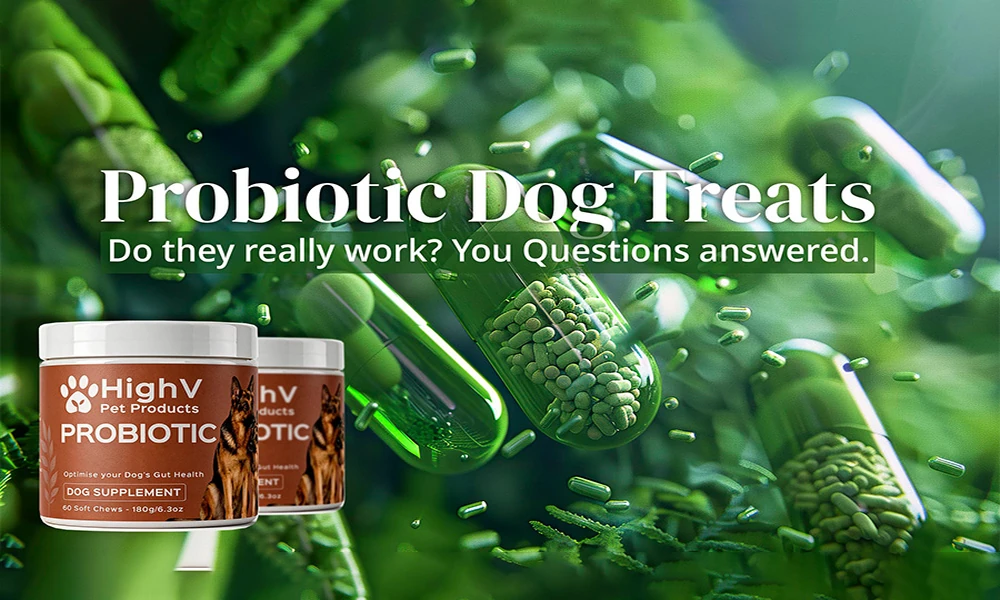
This article explains what causes gurgling stomachs in dogs, when the noise is a sign of a genuine upset, and what UK owners can sensibly do at home. It also looks at the growing role of Probiotic Dog Treats as a convenient, everyday way to support a balanced gut, and at where the line sits between supportive feeding and the point at which a vet needs to be involved.
Normal Noise or a Sign of Trouble?
A dog’s digestive tract is never completely silent. After a meal, the stomach and intestines contract rhythmically to mix food with digestive juices and push it along, and the movement of gas produces the familiar low rumbling. Between meals, a separate pattern of contractions sweeps through the gut to clear out residue, and an empty stomach can be surprisingly noisy. A dog that gurgles for a few minutes before breakfast and then eats happily is not a dog with a problem.
The picture changes when noise is accompanied by other signs. A dog that is rumbling loudly, refusing food, drooling, swallowing repeatedly, eating grass or adopting a hunched posture is showing you that its stomach is uncomfortable. Gurgling followed by diarrhoea, particularly in the early hours, usually means something has irritated the gut. Persistent noise night after night, or noise combined with weight loss, vomiting or a change in stool consistency over more than a couple of days, deserves a conversation with your vet.
The Most Common Causes of a Gurgling Gut
Hunger and irregular meals are the simplest explanation. Dogs fed once a day, or whose mealtimes drift, often have empty stomachs for long stretches and build up acid and gas. Splitting the daily ration into two or three smaller meals, and keeping times consistent, resolves a surprising number of nightly rumbles. Eating too quickly is a related cause; dogs that inhale their food swallow a lot of air with it, and that air has to go somewhere. Slow-feeder bowls, puzzle feeders or scatter feeding can help enormously.
Dietary indiscretion, the polite veterinary phrase for eating things that should not have been eaten, is the next big culprit. Fatty scraps, bin contents, discarded food on walks, animal droppings and rich treats all challenge the gut and generate gas as the bacteria in the intestines ferment material the dog cannot properly digest. Sudden changes in the main diet have the same effect, because the gut bacteria are adapted to one set of ingredients and need a week or more to adjust to another.
Certain foods cause gas in most dogs, even in modest amounts. Beans, peas, lentils and other legumes, brassicas such as cabbage and broccoli, dairy products in dogs that struggle with lactose, and diets very high in soya or certain fibres are all known offenders. Food intolerances go a step further: a dog that reacts poorly to a particular protein may have chronic gurgling, wind and soft stools that only settle once that ingredient is removed.
Stress and excitement affect the gut through the nervous system. Dogs anticipating a walk, worried about a thunderstorm, unsettled by visitors or missing an absent owner will often show it in their digestion. The gut-brain axis works in both directions, and a nervous dog frequently has a noisy stomach.
Then there are medical causes. Intestinal parasites, especially Giardia and worms, irritate the gut lining and disturb normal movement. Infections, pancreatitis, inflammatory bowel disease, partial obstructions from swallowed objects and, in older dogs, more serious conditions all produce abnormal gut sounds. Medication, most notably antibiotics and anti-inflammatories, can also upset the bacterial balance and produce a rumbling, unsettled stomach for the duration of the course and sometimes beyond.
What the Gut Bacteria Have to Do With It
Much of the gas that causes gurgling is produced by the bacteria living in the large intestine as they ferment undigested food. This is a normal and valuable process: fermentation of fibre produces short-chain fatty acids that nourish the cells of the colon and help keep the gut environment stable. Problems arise when the community of bacteria is out of balance, with fewer beneficial species and more of the types that produce excessive gas or irritating by-products. Vets and researchers call this dysbiosis, and it is a common thread running through many of the causes described above.
Sudden diet changes, scavenging, stress and antibiotic courses all disturb the balance. The gut generally recovers on its own given time and a consistent diet, but the process can be slow, and during that period the dog may be gassy, noisy and prone to soft stools. This is where the idea of feeding beneficial bacteria, in the form of probiotics, has become popular.
How Probiotic Treats Fit In
A probiotic is a live microorganism which, fed in adequate amounts, is intended to contribute to a balanced gut flora. In the UK, probiotics used in dog food and treats are regulated as feed additives, specifically as gut flora stabilisers, and only authorised strains may be used. Enterococcus faecium is the most common authorised strain in dog products and is usually identified on packaging by its strain number. The product itself is classed as a complementary pet food and is subject to the same labelling and safety rules as any other feed.
It is important for owners to understand what that classification means. A probiotic treat is not a medicine. The Veterinary Medicines Directorate (VMD) regulates veterinary medicines in the UK, and any product claiming to treat, cure or prevent disease in animals needs a marketing authorisation from the VMD. Treats and chews do not hold such authorisations, so a responsibly labelled product will talk about supporting normal digestive function or helping to maintain a balanced gut flora, and will not claim to fix diarrhoea, stop gas or treat any condition. If a packet promises a cure, treat it as a warning sign about the manufacturer rather than a selling point.
Used as intended, probiotic treats have a simple role: they make it easy to include an authorised gut flora stabiliser in a dog’s daily routine, in a format the dog actively wants to eat. For a dog whose gurgling has a straightforward cause, such as a recent diet change, a stressful week or a course of antibiotics, feeding a probiotic treat daily alongside a consistent diet is a reasonable supportive measure. It is not a substitute for finding and addressing the cause, and it is never a substitute for veterinary care if the dog is unwell.
Practical Steps for a Quieter Stomach
Start with mealtimes. Feed two or three smaller meals at consistent times rather than one large one, and use a slow feeder if your dog bolts its food. Avoid vigorous exercise immediately before or after eating, particularly in large deep-chested breeds. Provide fresh water at all times, but discourage gulping huge volumes straight after exercise.
Review the diet. If you have changed food recently, go back to the previous one and reintroduce the new food over seven to ten days. Look at the ingredients list for known gas producers, and if your dog is prone to chronic rumbling and wind, consider a simpler recipe with a single protein source and moderate fibre. Cut out table scraps entirely; even small amounts of fatty human food can unsettle a sensitive dog.
Manage scavenging. Secure bins, keep counters clear, and work on a reliable leave it command for walks. Muzzle training is a kind and effective option for confirmed scavengers and is nothing to be embarrassed about. Keep worming up to date and ask your vet about faecal testing if soft stools and gurgling persist.
Consider a probiotic treat as part of the daily routine. Choose one that names its strain, states the guaranteed live count to the end of shelf life rather than at manufacture, and gives clear feeding guidance by weight. Introduce it gradually and feed it consistently; occasional use offers little, because the bacteria are transient and daily feeding is what supports a stable population. Store the treats as directed, since live bacteria are sensitive to heat and moisture.
Address stress. Predictable routines, adequate exercise and mental stimulation, a quiet retreat during fireworks or parties, and gradual preparation for kennels or travel all help a nervous dog, and a calmer dog is usually a quieter one internally too.
When to Call the Vet
Gurgling on its own rarely needs urgent attention, but the accompanying signs do. Contact your vet if your dog has vomiting or diarrhoea lasting more than 24 to 48 hours, if there is blood in the stools or vomit, if the abdomen looks swollen or feels painful, if the dog is lethargic or refusing water, or if it is a puppy, an elderly dog or one with an existing condition. Unproductive retching with a bloated abdomen is an emergency, particularly in large breeds, because it can indicate gastric dilatation and volvulus. A dog that has swallowed a foreign object and is gurgling, vomiting and not passing stools also needs to be seen straight away.
Chronic, low-grade rumbling that goes on for weeks deserves investigation even if the dog seems otherwise well. Your vet can check for parasites, run blood tests, and consider whether an intolerance, pancreatic issue or inflammatory condition might be involved. Getting to the root cause is far more useful than managing symptoms indefinitely.
Summary
A gurgling stomach is often nothing more than normal digestion or an empty tummy, but frequent or persistent noise usually points to something the gut is struggling with: irregular meals, bolted food, scavenging, gas-producing ingredients, stress, parasites or medication. Behind most of these lies a disturbed balance of gut bacteria. Simple changes to mealtimes and diet, careful scavenging management and attention to stress resolve many cases. Probiotic treats, chosen and fed correctly, offer a practical way to support the normal balance of gut flora as part of that routine, provided you remember that they are complementary pet foods rather than medicines and that any genuinely unwell dog needs a vet. Listen to your dog’s stomach, but read the other signs alongside it, and you will usually know what to do.
